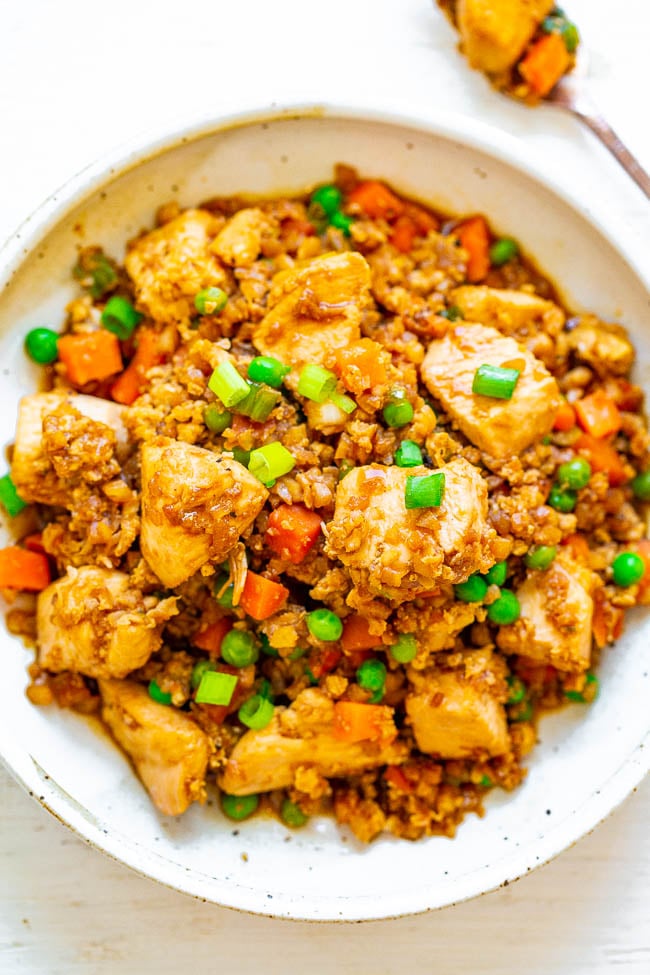
Say Goodbye to Takeout Guilt: Embrace Low Carb Cauliflower Chicken Fried Rice
The siren call of takeout fried rice is hard to resist – that savory aroma, the satisfying texture, and the promise of a quick, delicious meal. However, the convenience often comes at a cost: excess carbs, unhealthy oils, and a hefty dose of sodium that can derail even the best intentions for healthy eating. What if you could capture all the deliciousness of your favorite fried rice without the guilt? Enter cauliflower chicken fried rice, a revolutionary low-carb dish that is rapidly becoming the go-to healthy takeout alternative for health-conscious families everywhere.
This isn't just another diet fad; it's a flavorful, nutrient-packed meal that stands on its own. Imagine a dish that's ready in about 20 minutes, bursting with fresh vegetables, lean protein, and all the classic fried rice flavors you love, but with a fraction of the carbohydrates. Whether you're navigating a low-carb lifestyle, aiming for more vegetables, or simply seeking a quicker, healthier weeknight dinner, this flavorful cauliflower chicken fried rice offers a compelling solution. It’s also a brilliant way to introduce more vegetables to picky eaters or to prevent "cauliflower burnout" if you're as obsessed with cauliflower rice as we are!
Why Cauliflower Chicken Fried Rice Reigns Supreme Over Traditional Takeout
When you opt for traditional fried rice from your local takeout spot, you're often getting a dish made with white rice, which is high in refined carbohydrates and can lead to blood sugar spikes. Add to that the typically generous amounts of oil (often unhealthy vegetable oils), MSG, and high-sodium soy sauce, and you have a meal that can leave you feeling sluggish and unsatisfied in the long run. Cauliflower chicken fried rice flips this narrative entirely, offering a multitude of benefits:
- Significantly Lower in Carbs: The star of the show, cauliflower, is incredibly low in carbohydrates compared to white rice. This makes it an ideal choice for ketogenic, low-carb, and diabetic-friendly diets, helping you maintain stable blood sugar levels without sacrificing flavor.
- Packed with Nutrients: Cauliflower isn't just a carb substitute; it's a nutritional powerhouse. Rich in Vitamin C, Vitamin K, folate, and fiber, it supports digestion, boosts immunity, and provides essential micronutrients. When combined with other common fried rice vegetables like peas, carrots, and bell peppers, you get an even broader spectrum of vitamins and antioxidants.
- High in Lean Protein: With chicken as its primary protein source, this dish is fantastic for satiety and muscle maintenance. Chicken provides essential amino acids without the unhealthy fats often found in other meat options.
- Control Over Ingredients: Making your own cauliflower chicken fried rice means you control every ingredient. You can choose organic vegetables, use low-sodium tamari or coconut aminos instead of high-sodium soy sauce, and opt for healthy cooking fats like avocado oil or sesame oil.
- Quick & Convenient: Despite being a homemade meal, it rivals takeout in speed. Many recipes boast a cook time of just 20 minutes from start to finish, especially if you use pre-riced cauliflower or leftover cooked chicken. This makes it perfect for busy weeknights when you're craving something fast and fulfilling.
- Budget-Friendly: Cooking at home is almost always more economical than ordering out. A head of cauliflower and some chicken breasts go a long way, providing several servings for the cost of a single takeout meal.
Mastering the Art of Cauliflower Chicken Fried Rice: Tips for Success
Creating a truly exceptional cauliflower chicken fried rice is surprisingly simple, but a few key techniques can elevate your dish from good to extraordinary. The goal is to mimic the texture and flavor of traditional fried rice without any sogginess.
Essential Ingredients for a Flavorful Base:
- Cauliflower Rice: You can use fresh or frozen. If using fresh, pulse florets in a food processor until they resemble rice grains. If using frozen, thaw it first and, crucially, squeeze out as much excess moisture as possible using a clean kitchen towel or paper towels. This step is vital to prevent a watery, mushy dish.
- Cooked Chicken: Leftover rotisserie chicken is a fantastic shortcut. Otherwise, quickly sauté diced chicken breast or thighs until cooked through.
- Aromatics: Fresh garlic and ginger are non-negotiable for that authentic fried rice flavor. Minced onion or shallots also add depth.
- Vegetables: A classic mix includes frozen peas and carrots (thawed), chopped bell peppers, and sliced green onions. Feel free to add mushrooms, broccoli florets, or bok choy.
- Sauce: Low-sodium soy sauce or tamari (for gluten-free), a touch of toasted sesame oil for aroma, and a pinch of white pepper are the foundation. A tiny bit of sweetener (like erythritol or monk fruit) can balance the savory notes if you like.
- Eggs: Scrambled eggs, either cooked separately and folded in, or pushed to one side of the pan and scrambled, add richness and protein.
Cooking Techniques for Perfect Texture:
- High Heat is Key: Use a large wok or a heavy-bottomed skillet over medium-high to high heat. This allows the ingredients to sear and develop that characteristic "wok hei" (breath of the wok) flavor, preventing them from steaming.
- Cook in Batches (if necessary): Don't overcrowd the pan. If you're making a large batch, cook the chicken, then veggies, and finally the cauliflower rice in separate batches if your pan isn't large enough.
- Dry Cauliflower Rice: As mentioned, pressing out moisture from cauliflower rice is paramount. Cook it just long enough for it to become tender-crisp – overcooking will lead to sogginess.
- Layering Flavors: Start by sautéing your aromatics (garlic, ginger). Then add your chicken and other tougher vegetables. Once those are nearly cooked, add the cauliflower rice, then the sauce, and finally, your eggs and green onions. This layering ensures each ingredient cooks properly and all flavors meld beautifully.
Versatility and Customization: Make It Your Own
One of the greatest strengths of cauliflower chicken fried rice is its incredible adaptability. It’s a canvas for your culinary creativity and can be easily adjusted to suit various dietary needs and taste preferences.
Dietary Adaptations:
- Keto-Friendly: Ensure your sauce is sugar-free. While peas and carrots are generally low-carb, strict keto dieters might opt to reduce their quantity or substitute with non-starchy vegetables like green beans, mushrooms, or extra bell peppers. Use coconut aminos instead of soy sauce for a paleo and Whole30 compliant version.
- Vegetarian/Vegan: Skip the chicken and eggs. Instead, add extra firm tofu (pressed and pan-fried until crispy), tempeh, or edamame for protein. Use a flax egg or a commercial egg replacer if you want to mimic the egg texture.
- Gluten-Free: Always opt for tamari or coconut aminos instead of regular soy sauce.
Flavor and Ingredient Swaps:
- Proteins: Don't limit yourself to chicken! Shrimp, thinly sliced pork, or even ground turkey can make delicious variations. For a quick seafood option, stir in pre-cooked shrimp at the very end.
- Vegetables: Experiment with different vegetable combinations. Broccoli florets, corn (in moderation for low-carb), snap peas, water chestnuts, or even finely chopped cabbage can add new textures and flavors.
- Spice Level: Add a pinch of red pepper flakes, a drizzle of sriracha, or a dollop of chili garlic sauce for a fiery kick.
- Umami Boost: A dash of fish sauce can add an extra layer of savory depth (use sparingly).
Smart Prep and Storage for Busy Lifestyles
The convenience of cauliflower chicken fried rice extends far beyond its quick cooking time. It’s an ideal candidate for meal prepping, allowing you to enjoy healthy, delicious meals throughout the week without constant cooking.
Once your minute cauliflower chicken fried rice is prepared, let it cool completely before storing. You can keep any leftovers in an airtight container in your fridge for about 3 to 4 days, making it perfect for grab-and-go lunches or quick dinners.
For longer-term convenience, this dish freezes beautifully. Transfer the cooled cauliflower chicken fried rice to a freezer-safe bag or container and store it for about 2 to 3 months. When you're ready to enjoy it, simply thaw it overnight in the fridge before reheating. It reheats wonderfully on the stove (for best texture), in the microwave, or even in the oven, making it an excellent freezer-friendly meal option for those super busy days. For more tips on freezing and reheating, check out our article on Flavorful Cauliflower Chicken Fried Rice: Diet-Friendly & Freezer Ready.
Conclusion: Your New Favorite Healthy Takeout Alternative
In a world where quick and healthy often seem at odds, low carb cauliflower chicken fried rice bridges the gap beautifully. It’s a testament to how simple ingredient swaps and smart cooking techniques can transform a comfort food into a nourishing powerhouse. Say goodbye to carb-heavy, sodium-laden takeout and hello to a vibrant, flavorful, and incredibly satisfying meal that supports your health goals without sacrificing taste. Whether you're a seasoned low-carb enthusiast or simply looking for a more wholesome alternative, this dish is poised to become a staple in your kitchen. Give it a try – your taste buds and your waistline will thank you!
